Preventive chemotherapy is implemented along with complementary public health interventions, such as management of chronic cases and people with disabilities, control of vectors and their intermediate hosts, veterinary public health services, and access to safe drinking-water, sanitation and hygiene services. Such measures enhance the impact of the intervention both in terms of controlling morbidity and in decreasing transmission.
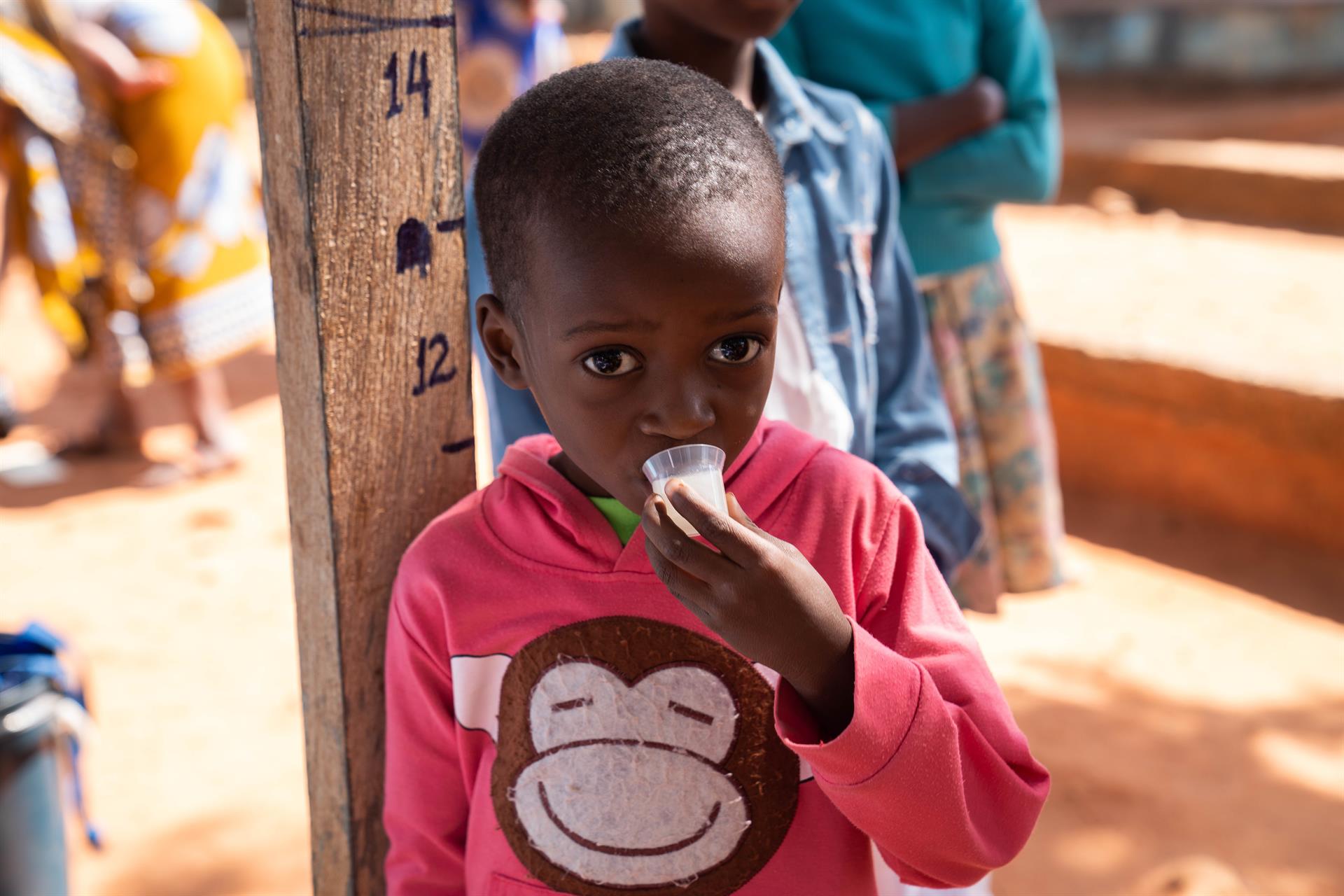
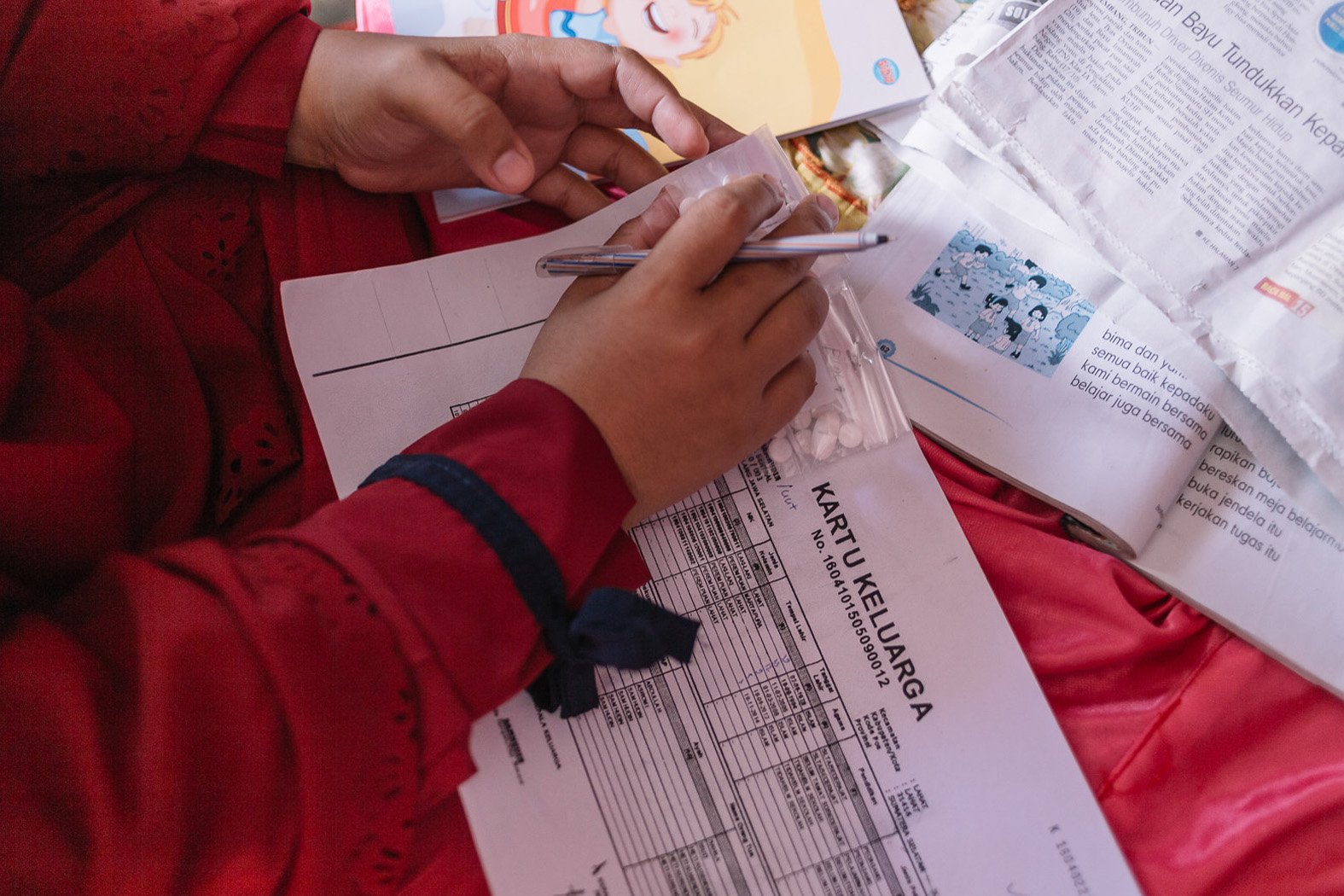
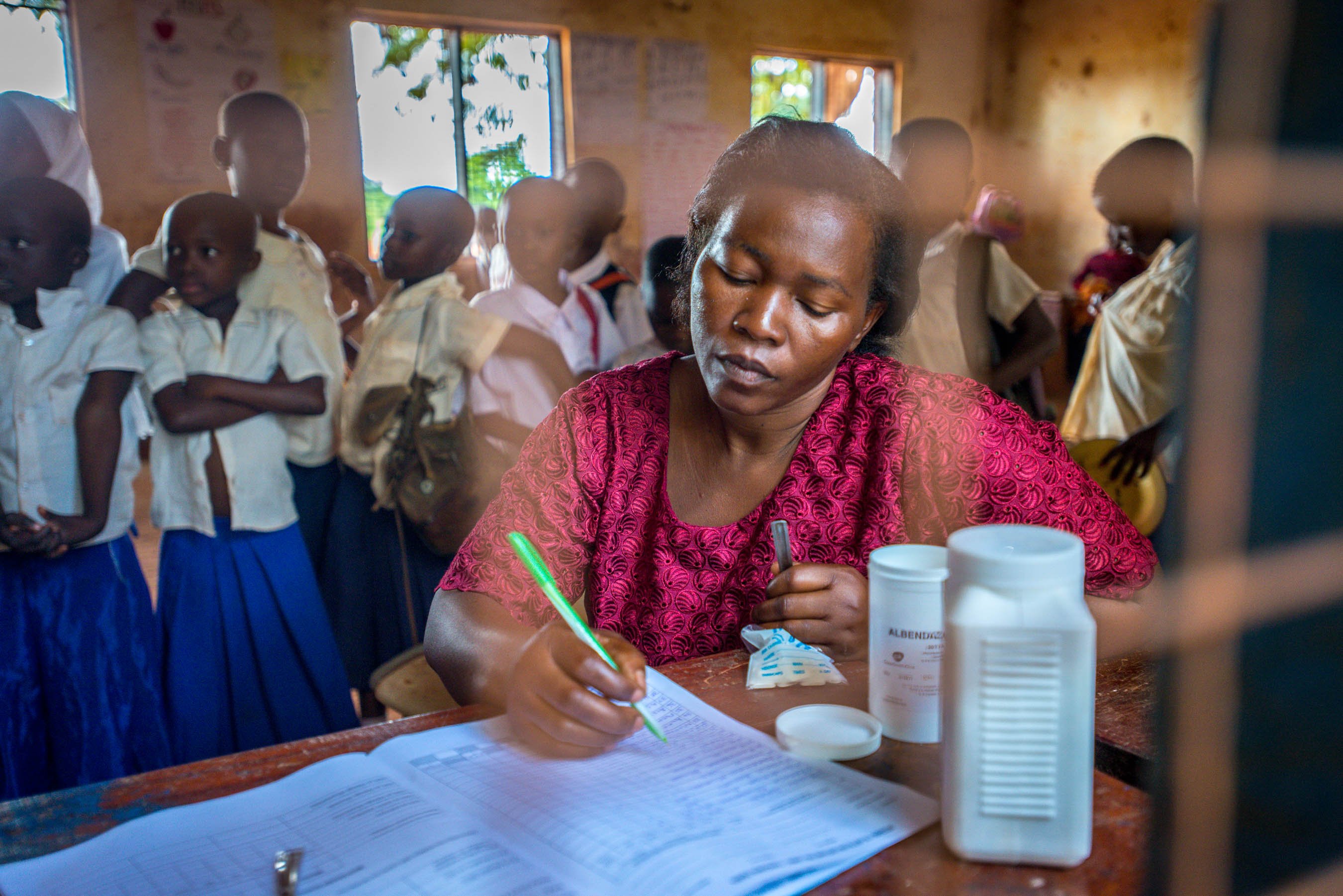
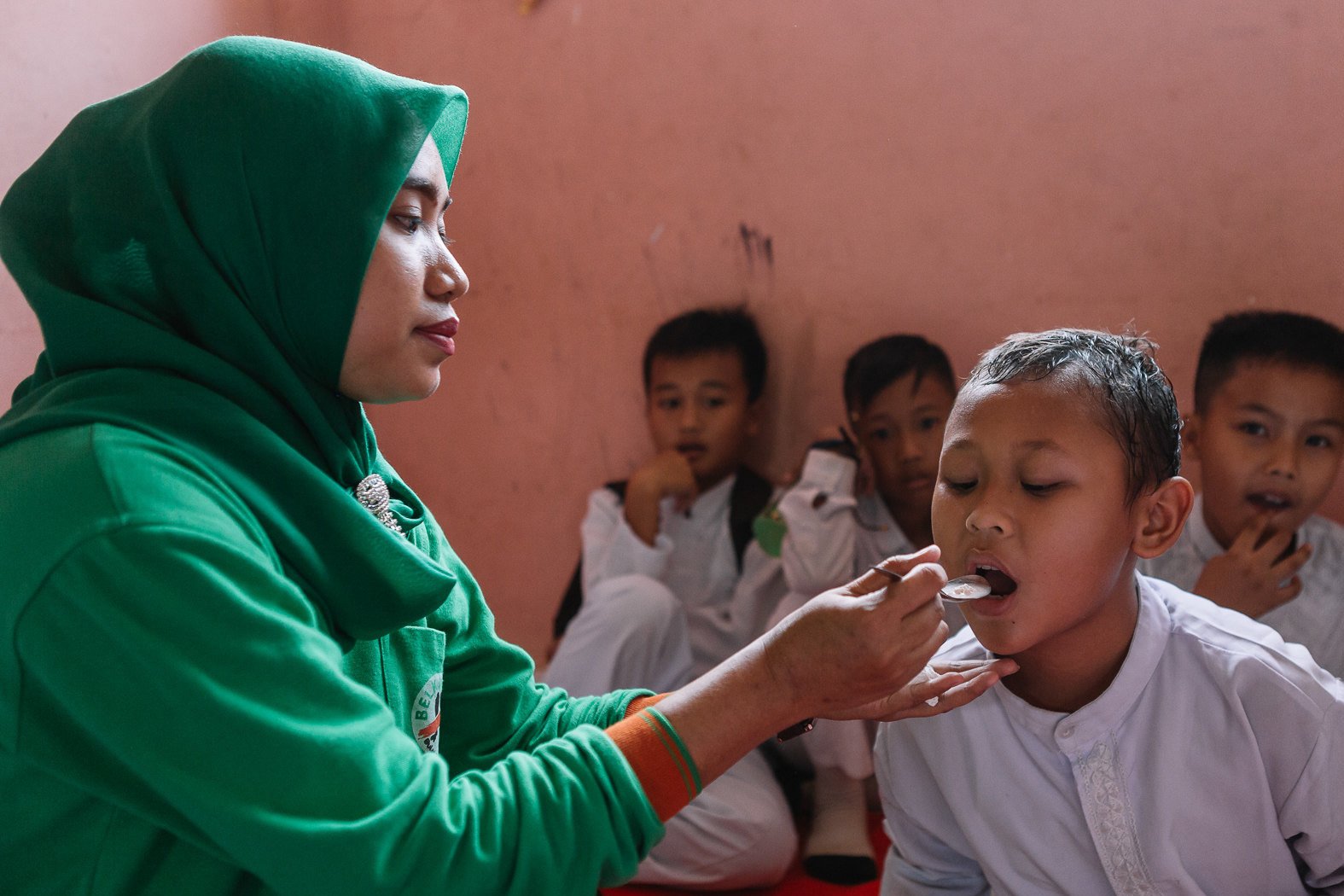
Implementation of preventive chemotherapy interventions is made possible thanks to large-scale donations of medicines by the pharmaceutical industry, either through WHO or directly to countries, and to availability of funding for scaling up, through sustained commitment of international donors and enhanced in-country support by the health and education sectors. Between 2015 and 2019, and thanks to additional and increased medicine donations, more than one billion people were treated annually through preventive chemotherapy for at least one of the five diseases amenable to the intervention.