
Planning and evaluation tools
A wide range of tools that support decisions on air pollution, and more generally for sustainable human settlements and urban planning, has been developed and made available for users by WHO-HQ and by WHO Regional offices. Such tools include models and frameworks, interactive websites, templates, toolkits, and software. These tools are of different types and formats, are aimed at different targets and fulfil different aims (education, raising awareness, offering guidance, making available scientific information and evidence, providing estimates) and encourage public policy that includes public health considerations.
Compared to other existing software used in environmental impact assessment or planning, the resources below provide enhanced analysis of household energy, housing, transport, and land use, at the national, district, or city level, and all have a significant health component.
Air quality guidelines
WHO sets recommended limits for health-harmful concentrations of key air pollutants both outdoors and inside buildings and homes, based on a global synthesis of scientific evidence. WHO guidelines cover annual and daily concentrations of particulates, nitrogen dioxide, sulfur dioxide, carbon monoxide, and ozone and also provide qualitative statements on good practices for the management of certain types of particulate matter, i.e. black carbon or elemental carbon, ultrafine particles and particles originating from sand and dust storms (WHO, 2021). Guidelines also cover indoor mould and dampness (WHO, 2009) and emissions of gases and chemicals from furnishings and building materials that collect indoors (2010). WHO Guidelines for indoor air quality - household fuel combustion, set limits on emissions from cooking and heating stoves, as well as recommendations regarding clean fuel use.
WHO global air quality guidelines: particulate matter (PM2.5 and PM10), ozone,...
WHO global air quality guidelines: particulate matter (PM2.5 and PM10), ozone, nitrogen dioxide, sulfur...
Clean air is fundamental to health. Compared to 15 years ago, when the previous edition of these guidelines was published, there is now a much stronger...
WHO guidelines for indoor air quality: selected pollutants
This book presents WHO guidelines for the protection of public health from a number of chemicals commonly present in indoor air. The substances considered...
WHO guidelines for indoor air quality : dampness and mould
Microbial pollution is a key element of indoor air pollution. It is caused by hundreds of species of bacteria and fungi, in particular filamentous fungi...
Air quality guidelines global update 2005
Clean air is a basic requirement of human health and well-being. Air pollution, however, continues to pose a significant threat to health worldwide. According to...
Air quality guidelines for Europe, 2nd edition
The first edition of the WHO Air quality guidelines for Europe was published in 1987. Since then new data have emerged and new developments in risk assessment...
Ambient air quality tools
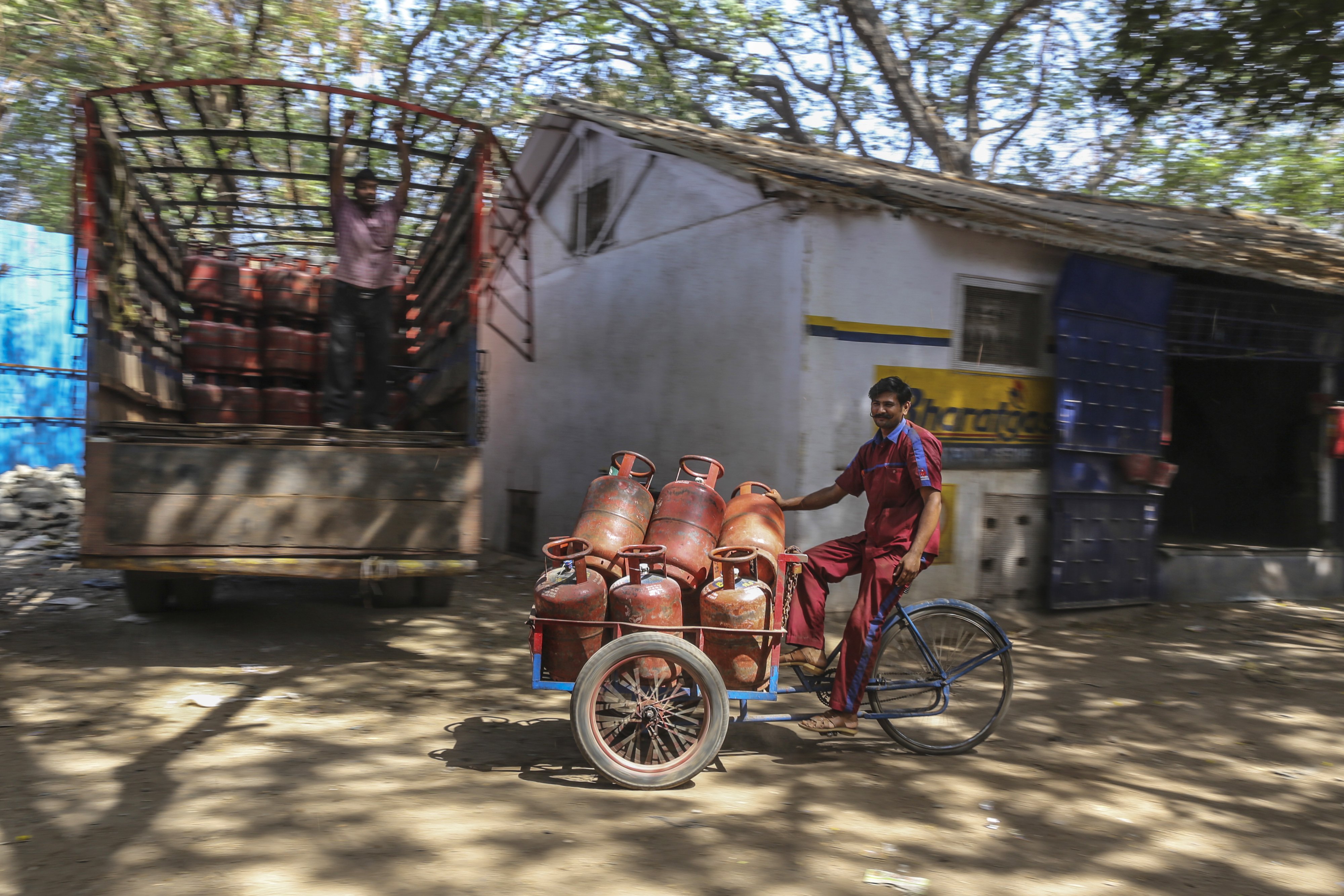
This interactive tool provides a map of current national air quality standards for classical pollutants (e.g. particulate matter, nitrogen dioxide, ozone etc.)

CLIMAQ-H is a tool to assess the outcomes of climate-driven policies and support decision-making by comparing the potential health co-benefits achieved by implementing NDC targets.
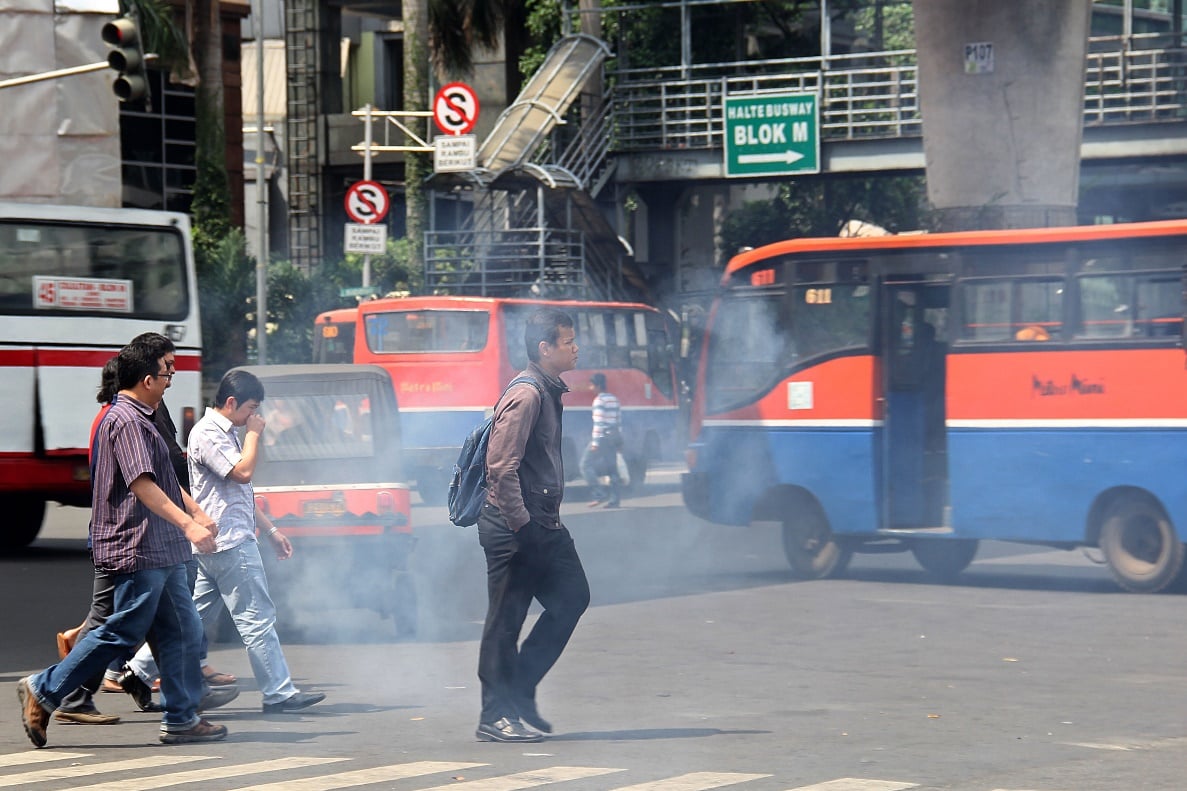
Software that quantifies the health impacts of air pollution (Spanish Version)

Software that quantifies the impacts of green spaces at urban scale. The tool can serve as an educational, communication and scientific support.

Predict and assess the effects of various proposed projects and policies on health
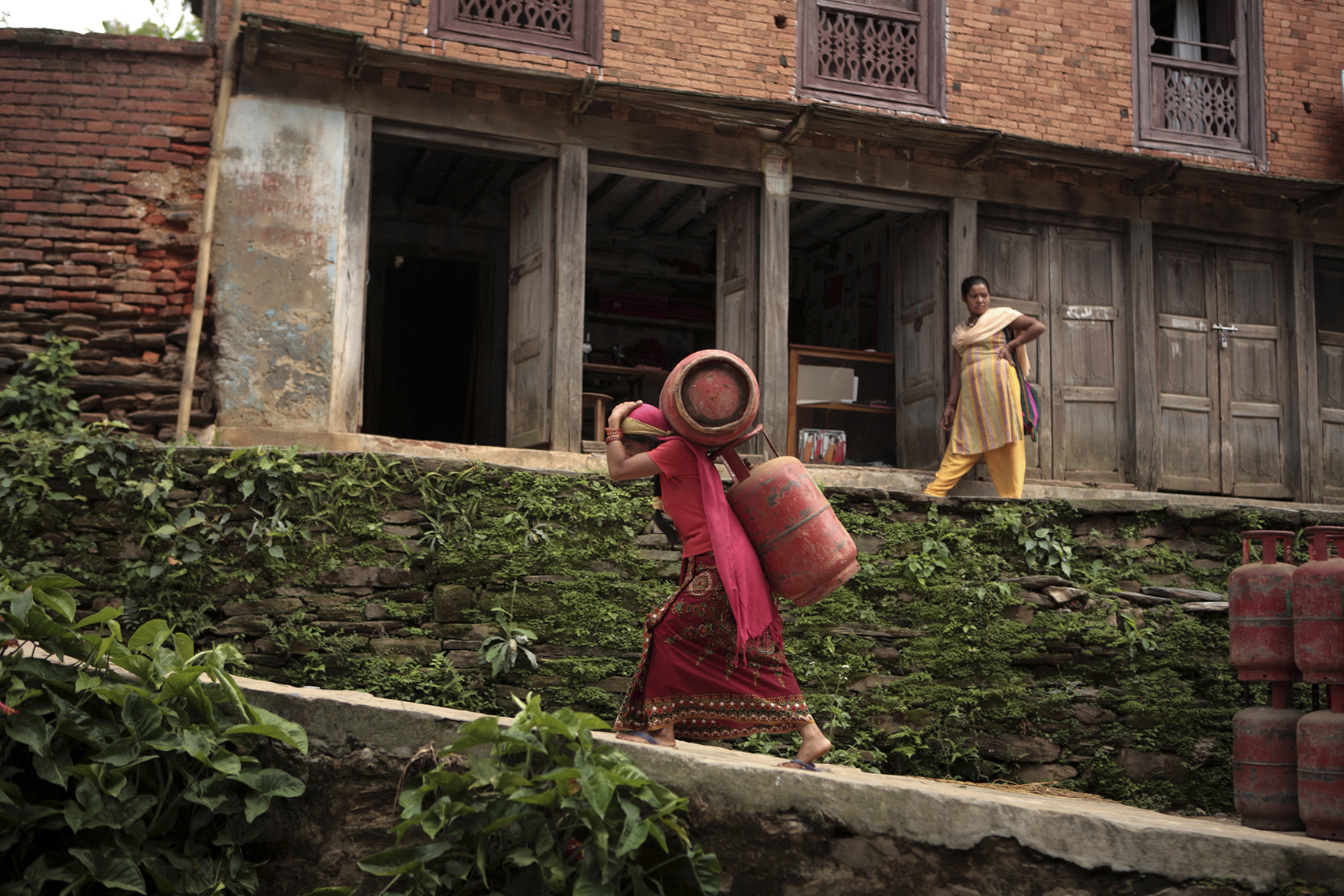
An online tool to estimate the value of reduced mortality that results from regular walking or cycling

Online repository of more than 100 open access resources and tools for integrating health in urban and territorial planning to develop healthy urban environments.
/environment-climate-change-and-health-(ech)/air-quality-energy-and-health-(aqh)/hero-hp-all-modules-card.jpg?sfvrsn=8a68003_2 "hero-hp-all-modules-card")
A set of materials designed to enable public health workers, in both the clinical and public health fields, to understand the health risks of air pollution and identify risk reduction measures.
Household energy tools

contains tools and resources for countries to develop clean household energy policies and programmes

Repository of policies promoting cleaner household energy use around the world

Planning tool that calculates the costs and benefits of transitions to cleaner household energy

Model that calculates the emission rates required for stoves, heaters, or lamps to achieve air quality and health outcomes
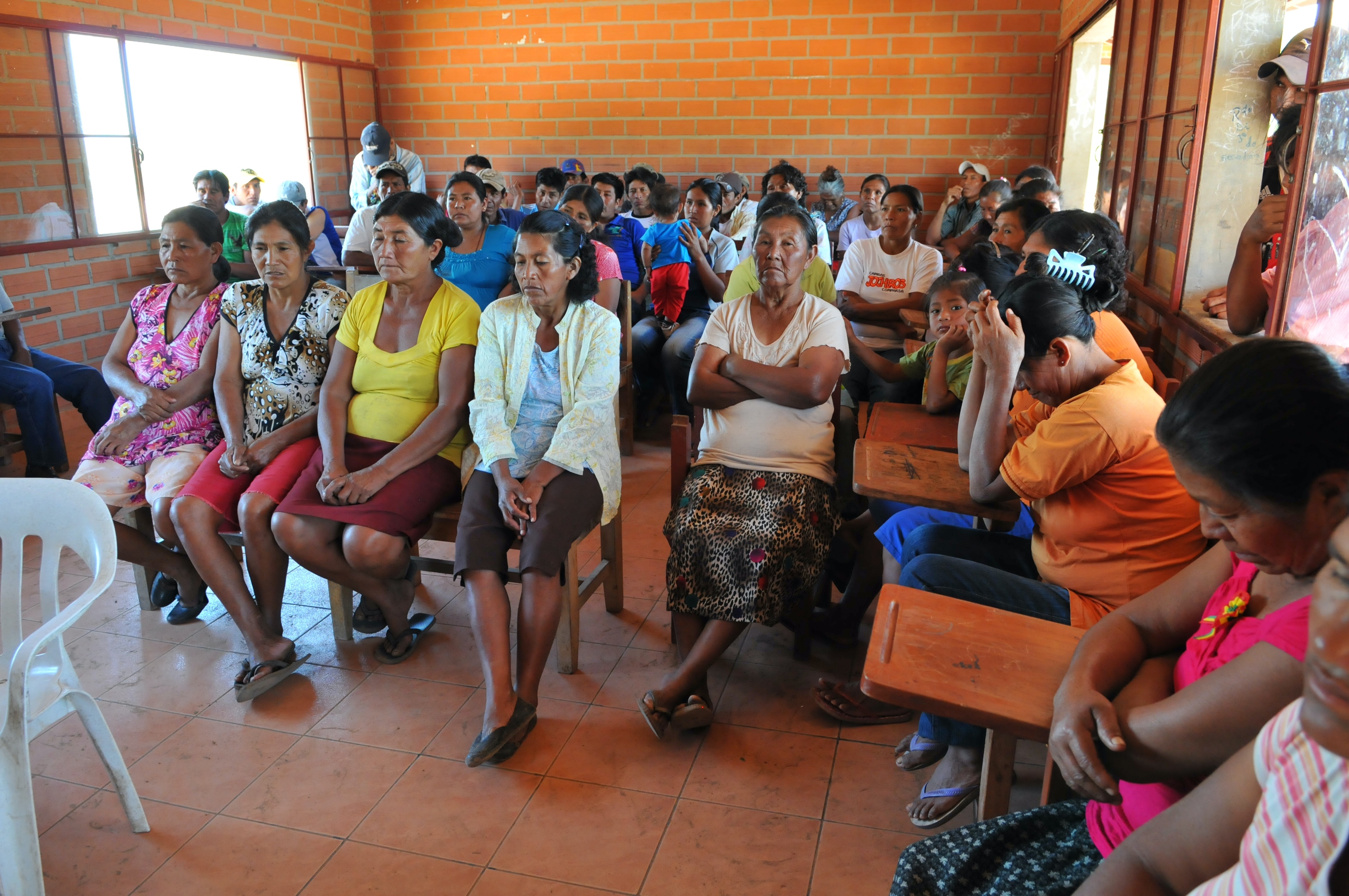
series of templates for stakeholder mapping and situational assessment focused on household energy.
Predict and assess the effects of various proposed projects and policies on health

model that predicts concentrations and exposures of air pollutants from cooking, heating & lighting
A set of materials designed to enable public health workers, in both the clinical and public health fields, to understand the health risks of air pollution and identify risk reduction measures.
Other resources of interest
Reports:
WHO Regional Office for Europe (2020). Compendium of tools, resources and networks.
WHO European Healthy Cities Network Phase VII (2019–2024). Copenhagen: WHO Regional Office for Europe
More details here