

.jpg?sfvrsn=edd0e17a_19 "WHO response to Ebola outbreak in the Democratic Republic of the Congo (DRC)")
On 15 May 2026, the Ministry of Public Health, Hygiene and Social Welfare of the Democratic Republic of the Congo (DRC) and the Ministry of Health of Uganda declared an outbreak of Ebola disease following the confirmation of Bundibugyo virus disease (BVD) in both countries. On 17 May 2026, WHO’s Director-General determined that Ebola disease caused by Bundibugyo virus in DRC and Uganda constitutes a public health emergency of international concern (PHEIC), as defined in the provisions of the International Health Regulations (2005) (IHR). On 18 May 2026, the Africa Centres for Disease Control and Prevention (Africa CDC) declared a public health emergency of continental security. On 19 May 2026, the Director-General of WHO convened the first meeting of the IHR Emergency Committee, and temporary recommendations were issued to State Parties.
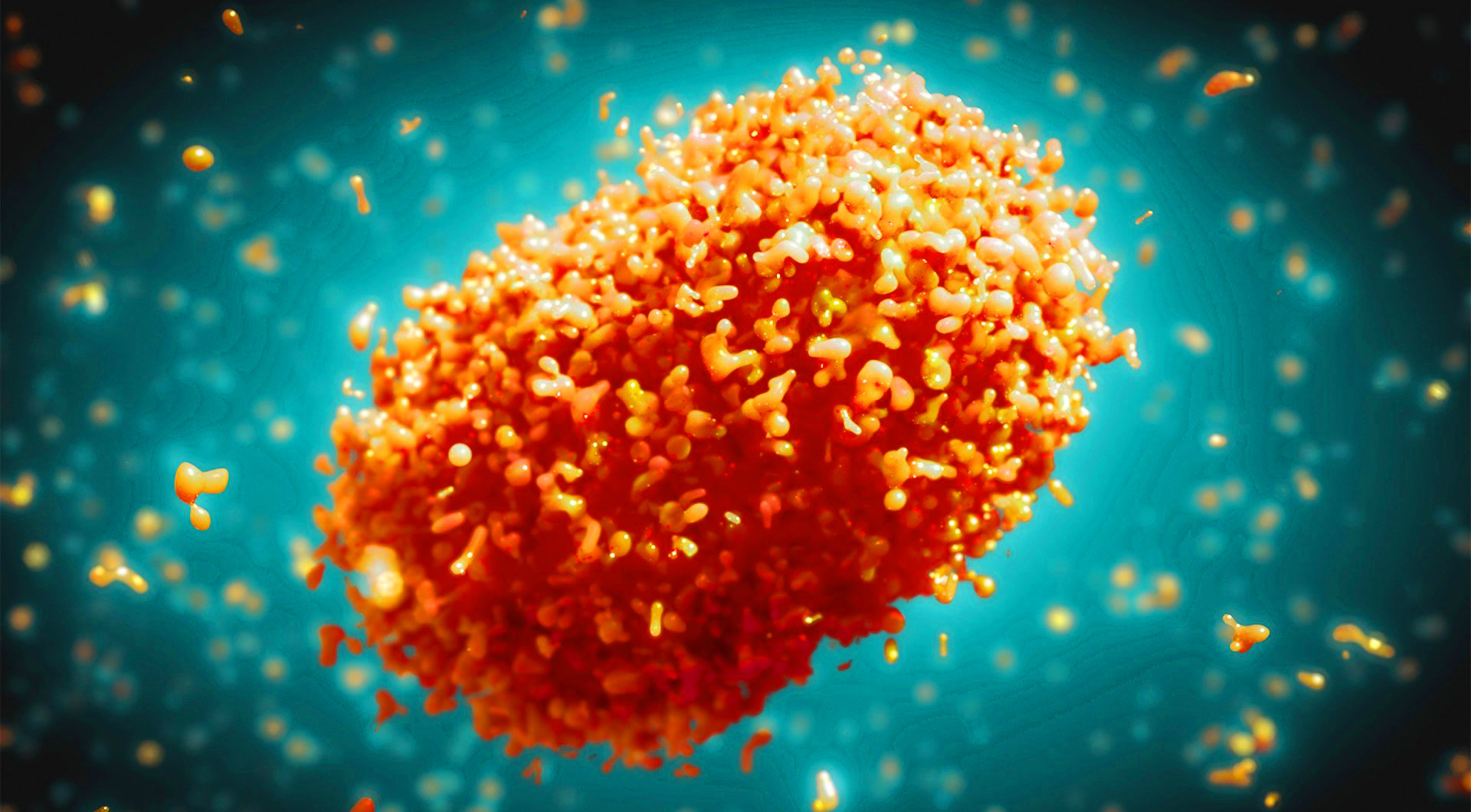
On 15 August 2024, Sweden became the first country outside the African continent to confirm mpox clade Ib in an individual with travel history to central Africa. The confirmation of the case came just one day after WHO’s Director-General declared mpox a public health emergency of international concern (PHEIC) for the second time in 2 years, following an upsurge in new and concerning cases in the Democratic Republic of Congo and several neighbouring countries, including the emergence of a new strain – called clade Ib – which appears to be more severe than clade II, which has been circulating in the WHO European Region for some time.
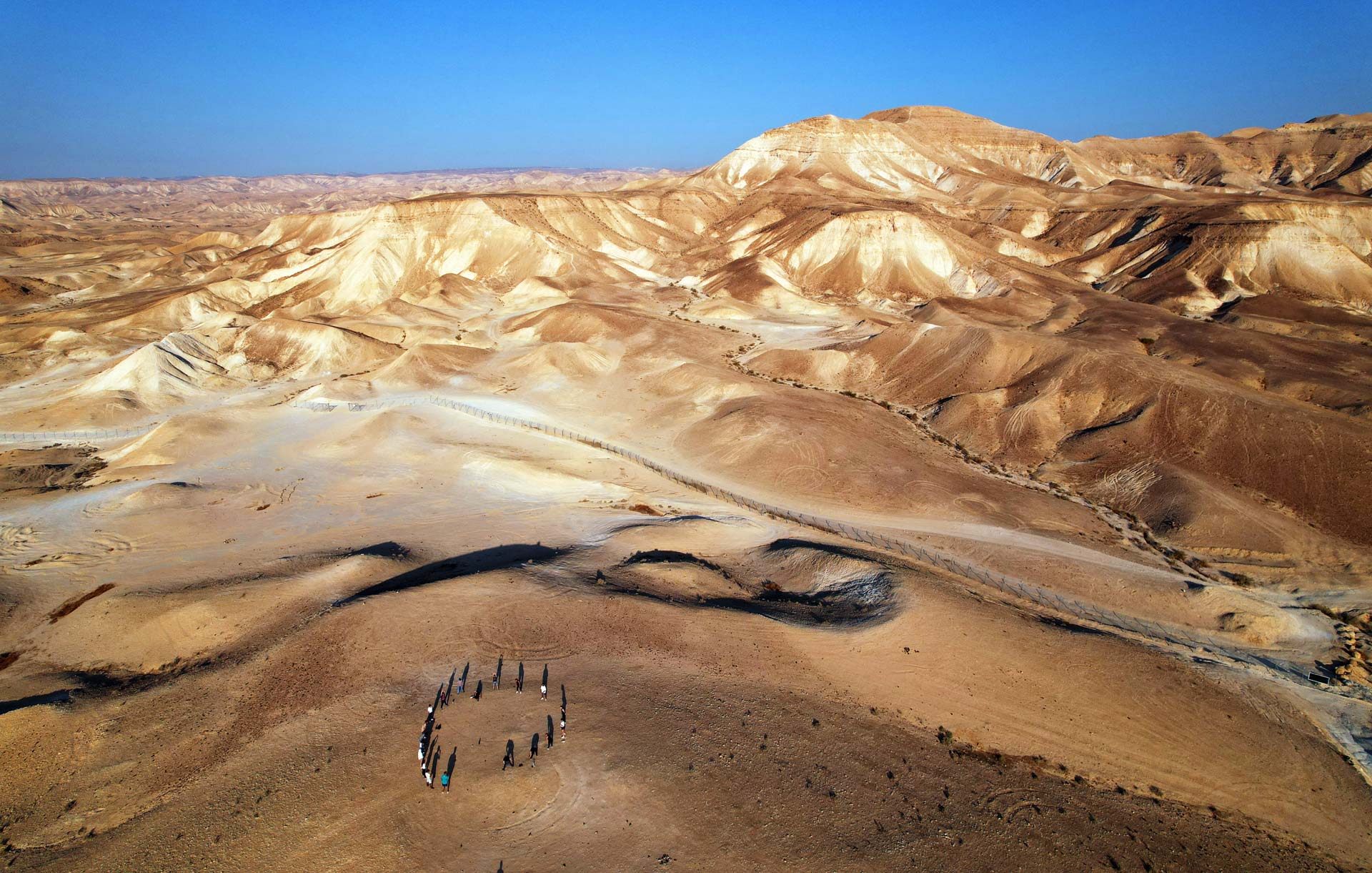
Since 7 October 2023, the escalating crisis in Israel and the occupied Palestinian territory has caused large numbers of civilian deaths and injuries. In Israel, the violence of the Hamas attacks in the south continues to impact the population with ongoing physical and mental trauma.

Leading climate-related causes of death, illness and suffering result from exposure to increasingly frequent and more intense extreme weather events, including heatwaves, wildfires, floods and storm surges, as well as slow-onset events such as droughts.
(1).jpg?sfvrsn=807b85fc_9 "Grim milestone on World Humanitarian Day: WHO records 1940 attacks on health care in Ukraine since start of full-scale war - ID 20183598 - 1")
WHO is working closely with its offices in Ukraine and neighbouring countries, as well as partners, to rapidly respond to the health emergency triggered by the conflict and to minimize disruptions to the delivery of critical health-care services.
Publications
All →Progress report of the Pan-European Network for Disease Control: April 2024–August 2025
Between April 2024 and August 2025, the Pan-European Network for Disease Control (NDC) evolved from a newly launched initiative into a regional platform...
Risk communication, community engagement and infodemic management at the core of health security in humanitarian...
Risk communication, community engagement and infodemic management (RCCE-IM) are essential pillars of health security in health and humanitarian emergencies....
Community mapping in health emergencies: strengthening preparedness, response and resilience
This document provides a comprehensive toolkit for community mapping to support emergency preparedness and responses for public health emergencies as defined...
Report on the subregional workshop Strengthening primary health care preparedness for emergencies in...
On 26–28 November 2024, the WHO Regional Office for Europe’s Country Health Emergency Preparedness and International Health Regulations (2005)...
Documents
All →Joint public health advice for WorldPride events in the Netherlands, 2026
WHO European Region Health Security Bulletin: January–March 2026
Terms of reference - RVC on validation of elimination of mother-to-child transmission of HIV, syphilis and hepatitis B virus and validation of elimination of viral hepatitis B and / or C as a public health problem in the WHO European Region
Measles: how to stay protected - brochure
WHO European Region Health Security Bulletin: October–December 2025
Feature stories
All →An interactive dashboard and map providing the latest global numbers and numbers by country of COVID-19 cases on a daily basis.
The latest updates and information from WHO on COVID-19 vaccines, the ACT Accelerator, SAGE recommendations and the COVAX initiative.
An interactive timeline showcasing how the organization has taken action on information, science, leadership, advice, response and resourcing.